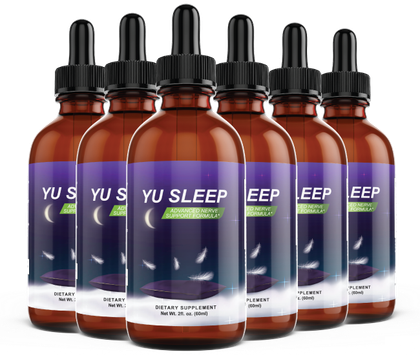
Why Yu Sleep Uses Only 0.9 mg of Melatonin
Yu Sleep is a liquid dietary supplement for sleep support, taken as drops, and its melatonin dose is 0.9 mg per serving. That is a fraction of the 5 mg and 10 mg sold on most shelves. This page explains why the low dose is a deliberate design choice rather than a shortcut.
Quick answer
Yu Sleep contains 0.9 mg of melatonin per serving because melatonin works as a timing signal, not a sedative. Research uses doses from 0.5 mg to 5 mg, and lower amounts are linked to fewer next-day grogginess complaints than the 5 mg to 10 mg sold in most stores.
- Melatonin cues sleep timing, it does not knock you out
- Doses under 1 mg appear throughout published research
- High doses are the ones most linked to morning heaviness
- Yu Sleep pairs the low dose with L-theanine, GABA and magnesium
How Does 0.9 mg Compare With Other Melatonin Products?
Most melatonin sold in stores is several times stronger than what Yu Sleep uses. Here is the comparison.
| Product type | Melatonin per serving | Form | Note |
|---|---|---|---|
| Yu Sleep | 0.9 mg | Liquid drops | Low dose by design |
| Common melatonin tablets | 3 mg to 5 mg | Tablet | The default supermarket strength |
| Melatonin gummies | 2.5 mg to 10 mg | Gummy | Often the highest doses sold |
| Extra strength melatonin | 10 mg | Tablet or capsule | Far above what most studies use |
| Doses used in much research | 0.5 mg to 5 mg | Varies | Lower doses are well represented |
Put plainly: a single 10 mg gummy carries about eleven times the melatonin in one serving of Yu Sleep. We take that comparison further on Yu Sleep vs melatonin gummies.
How Does Melatonin Actually Work?
Melatonin is the hormone your body releases as evening light fades. It tells your internal clock that night has started. It is a signal, not a sedative, which is the detail most product marketing skips.
Because it is a signal, timing matters more than size. Once the receptors involved have the message, adding more does not reliably deepen sleep. That is why research doses from 0.5 mg upward keep appearing, and why flooding the system with 10 mg is not automatically better.
| Common question | What the evidence suggests |
|---|---|
| Does more melatonin work better? | Not reliably. Melatonin acts as a timing signal rather than a sedative, and research has not shown a clean dose-response curve where more always means faster sleep. |
| Why do high doses cause grogginess? | Melatonin taken in large amounts can stay elevated into the morning, which is when people report heaviness, headache or a hungover feeling on waking. |
| Is 0.9 mg too small to do anything? | No. Doses under 1 mg appear across sleep research. Low-dose melatonin is specifically studied for shifting sleep timing with fewer next-day complaints. |
| Can I just cut a 5 mg tablet? | Splitting tablets gives an uneven dose and no control over the rest of the formula. Yu Sleep delivers the low dose in liquid form alongside its other ingredients. |
Does Low-Dose Melatonin Reduce Morning Grogginess?
Yu Sleep uses a lower dose than most store products, which is what many people prefer when they want to avoid next-day grogginess. Large amounts of melatonin can remain elevated into the morning, which is when people describe heaviness, a dull head or a hungover feeling. Yu Sleep's 0.9 mg is the part of this formula most likely to avoid that.
This is the most practical reason to pick a low-dose product. If you have tried melatonin before, disliked the morning fog and concluded melatonin "does not work for you", the dose may have been the problem rather than the ingredient.
If you still feel heavy on Yu Sleep, move the dose earlier in your wind-down rather than later, and speak to your doctor about timing. Details on our how to use Yu Sleep page, and the unbranded version of the timing question is in our guide to the best time to take melatonin. More of the research sits in our sleep science guides.
Who Is a Low Melatonin Dose Right For?
A good fit
- People who felt groggy on 5 mg or 10 mg products
- Light sleepers who want a gentle nudge, not sedation
- Anyone who prefers drops to swallowing tablets
- People pairing it with a consistent bedtime
Think twice
- Severe or long-standing insomnia that needs a doctor
- Pregnancy, nursing, or under 18
- Anyone on antidepressants, sedatives or blood thinners without medical advice
- People expecting a result on night one every time
Secure checkout through ClickBank. 60-day money-back guarantee.
Low-dose melatonin FAQ
How much melatonin is in Yu Sleep?
Yu Sleep contains 0.9 mg of melatonin per 2 mL serving, according to the Supplement Facts label. That is below the 3 mg to 10 mg found in most supermarket melatonin tablets and gummies.
Is 0.9 mg of melatonin enough?
For many people, yes. Doses below 1 mg appear throughout melatonin research, and low doses are linked to fewer reports of next-day grogginess. Melatonin works as a timing cue, so a larger dose does not reliably produce deeper sleep.
Will 0.9 mg of melatonin make me groggy?
It is less likely than with high-dose products. Morning heaviness is commonly reported with 5 mg and 10 mg doses, which can keep melatonin elevated into the morning. If you still feel heavy, take it earlier in your wind-down routine.
Can I take Yu Sleep with another melatonin product?
Do not stack melatonin products without asking your doctor. Taking Yu Sleep alongside a 5 mg or 10 mg tablet defeats the purpose of the low-dose approach and raises the chance of grogginess and vivid dreams.
More answers: see all 30 Yu Sleep questions.
Sources we checked
We link to public health and research pages. Evidence is often from small studies on single ingredients, not on Yu Sleep itself.
- NCCIH: Melatonin, What You Need To Know
- NIH Office of Dietary Supplements: Magnesium
- NIH Office of Dietary Supplements: Vitamin B6
- NIH Office of Dietary Supplements: Riboflavin (B2)
- MedlinePlus: 5-HTP
- PubMed: L-theanine, sleep and relaxation
- PubMed: oral GABA and sleep
- PubMed: tart cherry, melatonin and sleep
- PubMed: apigenin, chamomile and sleep
- PubMed: lemon balm (Melissa) and sleep
- CDC: Sleep and Sleep Disorders

About this review. This is a research-based review. We analyzed the Supplement Facts label, the formula, published research, the pricing and the refund terms. We have not run a physical hands-on test, so we never claim personal results.
Who we are and how we are funded is on the about page, the scoring is explained in our review method, and nothing here is medical advice, as our disclaimer sets out.
Last updated: . Changelog: First published with full Supplement Facts label verification and current package pricing.