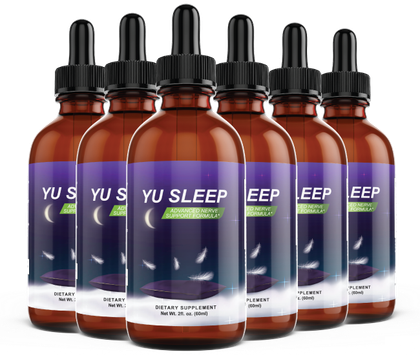
Yu Sleep Ingredients: Every Item on the Label Explained
Yu Sleep is a liquid dietary supplement for sleep support, taken as drops, built on 0.9 mg of melatonin plus a 637 mg blend of L-theanine, GABA, 5-HTP, tart cherry, magnesium glycinate, apigenin and lemon balm, with vitamins B6 and B2. Here is every item on the Supplement Facts panel, what it does and what the research actually supports.
Quick answer
Yu Sleep contains 0.9 mg of melatonin, 0.5 mg of vitamin B6 and 0.5 mg of vitamin B2, plus a 637 mg proprietary blend of red tart cherry, magnesium glycinate, apigenin, lemon balm, 5-HTP, L-theanine and GABA. Only the first three have individual amounts printed on the label.
- Melatonin is 0.9 mg per 2 mL serving, a deliberately low dose
- Seven ingredients share one 637 mg proprietary blend
- The panel lists vitamin B2 and B6, not vitamin B12
- About 30 servings per bottle, so roughly a one month supply
What Does the Yu Sleep Label Show?
The Supplement Facts panel prints a serving size of 2 mL (2 full droppers) and about 30 servings per bottle. Three items carry individual amounts. Everything else sits inside one blend.
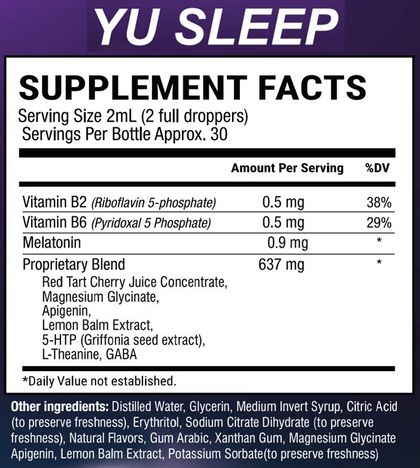
| Printed on the panel | Amount per serving | % Daily Value |
|---|---|---|
| Vitamin B2 (Riboflavin 5-phosphate) | 0.5 mg | 38% |
| Vitamin B6 (Pyridoxal 5 Phosphate) | 0.5 mg | 29% |
| Melatonin | 0.9 mg | Not established |
| Proprietary blend (7 ingredients) | 637 mg | Not established |
Other ingredients listed: distilled water, glycerin, medium invert syrup, citric acid, erythritol, sodium citrate dihydrate, natural flavors, gum arabic, xanthan gum and potassium sorbate.
What Does Each Yu Sleep Ingredient Do?
Each card gives the role in the formula and what research shows. Most studies test the single ingredient, not this exact blend, so we say that plainly rather than implying the product itself was trialled.
Melatonin 0.9 mg
Role in formula: Signals the body that it is time to wind down for sleep.
What research shows: Reviews of melatonin for sleep report modest help falling asleep. Yu Sleep uses a low 0.9 mg dose, which research links to fewer next-day grogginess complaints than common 3 mg to 10 mg products.
Source: NCCIH
L-Theanine Not disclosed on sales page (in the blend)
Role in formula: An amino acid from tea linked to calm, relaxed alertness.
What research shows: Small studies suggest L-theanine may support relaxation and reduce stress markers. Most research is on the ingredient, not on Yu Sleep itself.
Source: PubMed research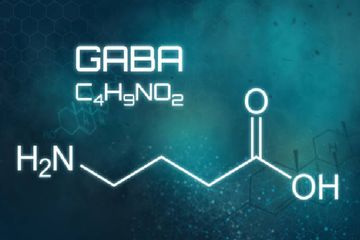
GABA Not disclosed on sales page (in the blend)
Role in formula: A calming neurotransmitter the body uses to quiet nervous activity.
What research shows: Evidence for oral GABA and sleep is early and comes from small trials. Results vary by person and dose.
Source: PubMed research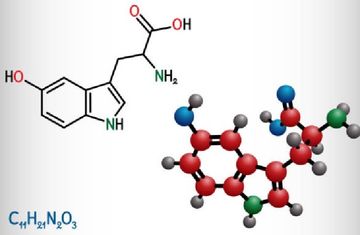
5-HTP (Griffonia seed extract) Not disclosed on sales page (in the blend)
Role in formula: A building block the body uses to make serotonin, then melatonin.
What research shows: Small studies look at 5-HTP for sleep and mood. It can interact with antidepressants, so talk to your doctor first.
Source: MedlinePlus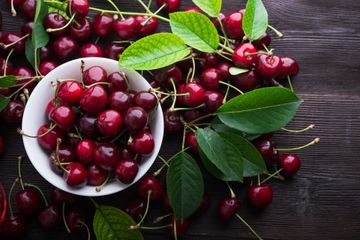
Red Tart Cherry Not disclosed on sales page (in the blend)
Role in formula: A natural food source of melatonin and plant antioxidants.
What research shows: A few small studies on tart cherry juice report slightly longer sleep time. The studies use juice, not this exact extract.
Source: PubMed research
Magnesium Glycinate Not disclosed on sales page (in the blend)
Role in formula: A well-absorbed form of magnesium tied to muscle and nerve relaxation.
What research shows: Magnesium supports normal nerve and muscle function. Evidence for magnesium and sleep quality is mixed and mostly in people who are low in magnesium.
Source: NIH Office of Dietary Supplements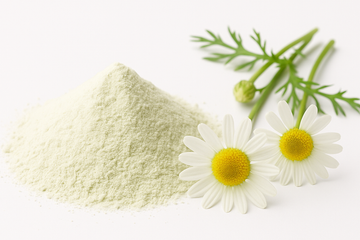
Apigenin Not disclosed on sales page (in the blend)
Role in formula: A plant compound found in chamomile, studied for relaxation.
What research shows: Apigenin is the compound often linked to chamomile tea and calm. Human sleep research is limited and early.
Source: PubMed research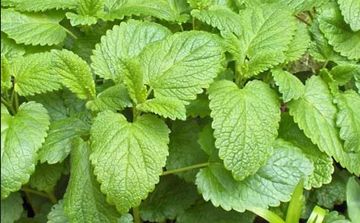
Lemon Balm Extract Not disclosed on sales page (in the blend)
Role in formula: A herb traditionally used to ease restlessness before bed.
What research shows: Small studies pair lemon balm with other herbs for relaxation. Evidence for lemon balm alone and sleep is limited.
Source: PubMed research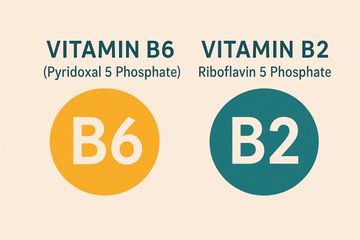
Vitamin B6 (Pyridoxal 5-Phosphate) 0.5 mg
Role in formula: A cofactor the body uses to make serotonin and melatonin.
What research shows: Vitamin B6 helps the body turn amino acids into sleep-related signals. Yu Sleep lists 0.5 mg per serving (29% of the Daily Value).
Source: NIH Office of Dietary Supplements Vitamin B2 (Riboflavin 5-Phosphate) 0.5 mg
Role in formula: A vitamin that supports normal energy metabolism.
What research shows: Riboflavin supports normal cellular energy production. Yu Sleep lists 0.5 mg per serving (38% of the Daily Value).
Source: NIH Office of Dietary SupplementsSecure checkout through ClickBank. 60-day money-back guarantee.
How Do Yu Sleep Doses Compare With Studied Doses?
This is the table most Yu Sleep reviews leave out. It sets what the label discloses against the amounts commonly used in published research on each ingredient.
| Ingredient | Amount in Yu Sleep | Commonly studied amount | Note |
|---|---|---|---|
| Melatonin | 0.9 mg | 0.5 mg to 5 mg | Yu Sleep sits at the low end on purpose. |
| L-Theanine | In the blend, not disclosed | 100 mg to 400 mg | Common relaxation studies use 200 mg. |
| GABA | In the blend, not disclosed | 100 mg to 300 mg | Oral GABA evidence is early and mixed. |
| 5-HTP | In the blend, not disclosed | 100 mg to 300 mg | Interacts with serotonergic medicines. |
| Red tart cherry | In the blend, not disclosed | Juice or concentrate servings | Studies use juice, not this extract. |
| Magnesium glycinate | In the blend, not disclosed | 200 mg to 400 mg elemental | Benefit is clearest when you are low. |
| Apigenin | In the blend, not disclosed | No settled human dose | The chamomile compound, early research. |
| Lemon balm | In the blend, not disclosed | 300 mg to 600 mg extract | Usually tested with other herbs. |
| Vitamin B6 | 0.5 mg (29% DV) | RDA 1.3 mg to 1.7 mg | A top-up, not a full daily dose. |
| Vitamin B2 | 0.5 mg (38% DV) | RDA 1.1 mg to 1.3 mg | A top-up, not a full daily dose. |
Studied ranges are drawn from the public health and research pages listed in our sources. They describe the ingredient, not Yu Sleep itself.
What Does the 637 mg Proprietary Blend Hide?
A proprietary blend discloses the total weight, not the split. Yu Sleep lists 637 mg covering seven ingredients. If that were divided evenly, each would average about 91 mg.
637 mg divided by 7 ingredients averages about 91 mg each. Several single-ingredient studies use more than that, for example 100 mg to 200 mg of L-theanine or 200 mg or more of elemental magnesium. Blends are rarely split evenly, so some ingredients may sit well below their studied amounts.
If magnesium is the ingredient you care about most, our guide to magnesium glycinate for sleep explains what the evidence supports and why a standalone product may suit you better than a blend.
This is not unusual in the supplement market, and it is not evidence the product fails. It does mean you cannot check any blend ingredient against the research, which is a fair point to weigh before buying. The melatonin, B6 and B2 amounts are disclosed, so those you can verify.
Label vs Marketing: What Holds Up?
| Claim on the sales page | What the label and research show | Our take |
|---|---|---|
| "Advanced nerve support formula" | The label lists sleep and relaxation ingredients plus B vitamins. No nerve-specific clinical testing is published. | Read it as marketing language, not a tested medical claim. |
| 100% natural positioning | Other ingredients include distilled water, glycerin, erythritol, citric acid, xanthan gum and potassium sorbate as a preservative. | Food-grade and common, but "100% natural" is a loose term. |
| Made in an FDA-registered facility | Facility registration is a listing requirement for manufacturers. The FDA does not approve dietary supplements. | A real signal of a legitimate manufacturer, not an approval. |
| Low-dose melatonin | The panel prints 0.9 mg per 2 mL serving, well below the 3 mg to 10 mg in many products. | Accurate, and the most genuinely distinctive part of the formula. |
Some third-party write-ups mention vitamin B12. The Supplement Facts panel we checked lists vitamin B2 and vitamin B6, not B12, so check the label on your bottle.
Is the Yu Sleep Formula Any Good?
The formula is sensible and the melatonin dose is the standout. Pairing a low 0.9 mg melatonin cue with calming ingredients and the B vitamins involved in making serotonin and melatonin is a reasonable design, and the low dose is the part most likely to help people who dislike feeling heavy the next morning.
The honest limits: the blend hides seven amounts, the evidence is on single ingredients rather than this product, and no clinical trial of Yu Sleep itself is published. We score the formula 4.8 and the research behind it 4.5 for exactly those reasons. See how we score sleep supplements.
Yu Sleep ingredients FAQ
What are the ingredients in Yu Sleep?
Yu Sleep contains melatonin 0.9 mg, vitamin B6 0.5 mg and vitamin B2 0.5 mg, plus a 637 mg proprietary blend of red tart cherry juice concentrate, magnesium glycinate, apigenin, lemon balm extract, 5-HTP from Griffonia seed, L-theanine and GABA, according to the Supplement Facts label.
Does Yu Sleep contain vitamin B12?
No. The Supplement Facts panel we checked lists vitamin B2 (riboflavin 5-phosphate) and vitamin B6 (pyridoxal 5 phosphate), not vitamin B12. Some third-party write-ups say B12, so check the panel printed on your own bottle.
How much of each ingredient is in Yu Sleep?
Only melatonin, vitamin B6 and vitamin B2 have individual amounts printed. The other seven ingredients sit inside a 637 mg proprietary blend, so their individual milligram amounts are not disclosed on the label or the sales page.
Are the Yu Sleep doses high enough to work?
The melatonin dose of 0.9 mg is within the range used in research. For the blend ingredients we cannot confirm, because 637 mg shared across seven ingredients averages about 91 mg each, which is below the doses used in several single-ingredient studies.
More answers: see all 30 Yu Sleep questions.
Sources we checked
We link to public health and research pages. Evidence is often from small studies on single ingredients, not on Yu Sleep itself.
- NCCIH: Melatonin, What You Need To Know
- NIH Office of Dietary Supplements: Magnesium
- NIH Office of Dietary Supplements: Vitamin B6
- NIH Office of Dietary Supplements: Riboflavin (B2)
- MedlinePlus: 5-HTP
- PubMed: L-theanine, sleep and relaxation
- PubMed: oral GABA and sleep
- PubMed: tart cherry, melatonin and sleep
- PubMed: apigenin, chamomile and sleep
- PubMed: lemon balm (Melissa) and sleep
- CDC: Sleep and Sleep Disorders

About this review. This is a research-based review. We analyzed the Supplement Facts label, the formula, published research, the pricing and the refund terms. We have not run a physical hands-on test, so we never claim personal results.
Who we are and how we are funded is on the about page, the scoring is explained in our review method, and nothing here is medical advice, as our disclaimer sets out.
Last updated: . Changelog: First published with full Supplement Facts label verification and current package pricing.